
Tout ce qui compte pour vous,
sans superflu
Nos valeurs 01
Vous garantir simplicité, pragmatisme et honnêteté



Simplicité et honnêteté, ce sont les valeurs de Dacia. Nous nous engageons à proposer les bons produits au juste prix. C’est ce que nous appelons définir l’essentiel. Tout simplement.
Concevoir la meilleure voiture, celle qui répond à vos besoins
Pour nous, c’est l’essentiel. Nous prenons en considération ce qui est important pour vous et créons des véhicules sur lesquels vous pouvez compter durablement.
Face à un monde en mutation, nous optons pour la simplicité et la transparence. Avec nous, vous maîtrisez votre budget et avez toujours le choix. Notre travail est de vous proposer la juste valeur.
Nous allons à contre-courant des tendances de l’industrie et envisageons le prix comme une donnée d’entrée. Nous optimisons les coûts à chaque étape, de la conception à la vente en passant par la fabrication. Vous pouvez ainsi acquérir un véhicule neuf, sans sacrifier le reste. Vous payez uniquement pour ce que vous estimez nécessaire.
Une recette qui a fait notre success-story
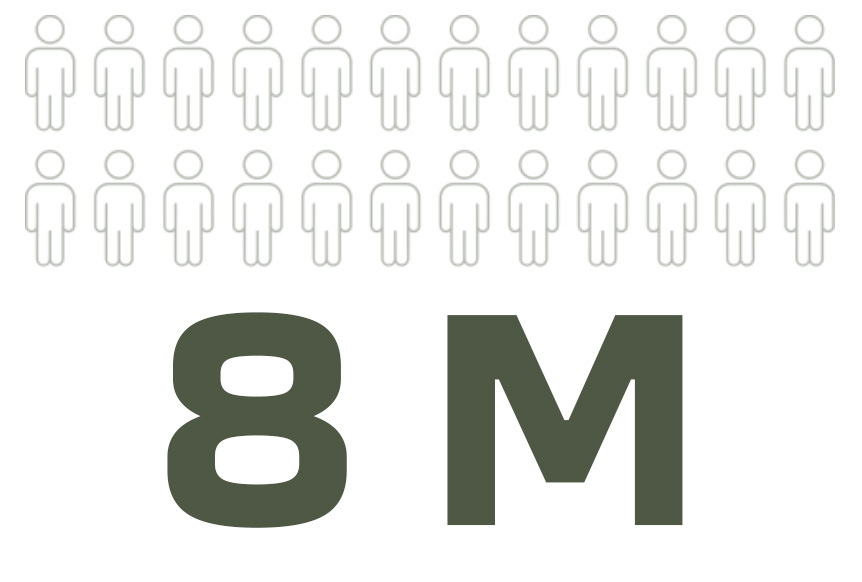
8 millions, c’est le nombre de clients convaincus dans 44 pays en Europe et sur le pourtour méditerranéen.
Notre vision 02
Vous proposer des voitures neuves abordables et toujours plus respectueuses de l’environnement
Favoriser la mobilité pour tous
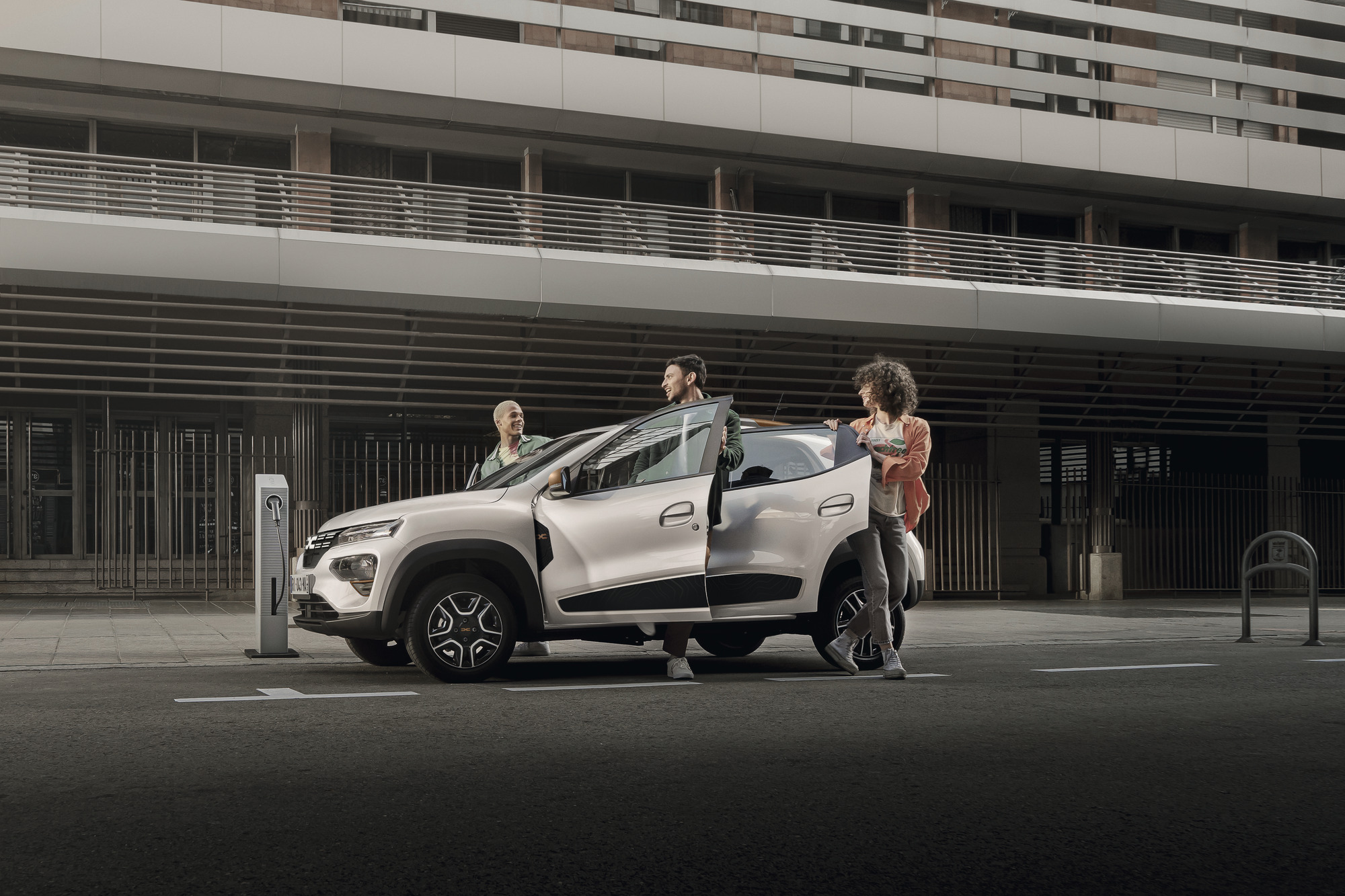
Nos technologies visent à diminuer la consommation de carburant et les émissions de polluants. En les mettant à la portée du plus grand nombre, nous augmentons la mise en circulation de véhicules sûrs et plus respectueux de l’environnement et réduisons le parc de voitures d’occasion moins adaptées à la réalité écologique.
Nous nous adressons à ceux qui ne souhaitent pas dépenser trop pour acheter une voiture ou qui n'ont pas d'autre choix. La location avec offre d'achat solidaire nous permet de donner accès au véhicule neuf aux personnes qui en ont besoin pour vivre et travailler, sans en avoir les moyens.
Privilégier une consommation raisonnée
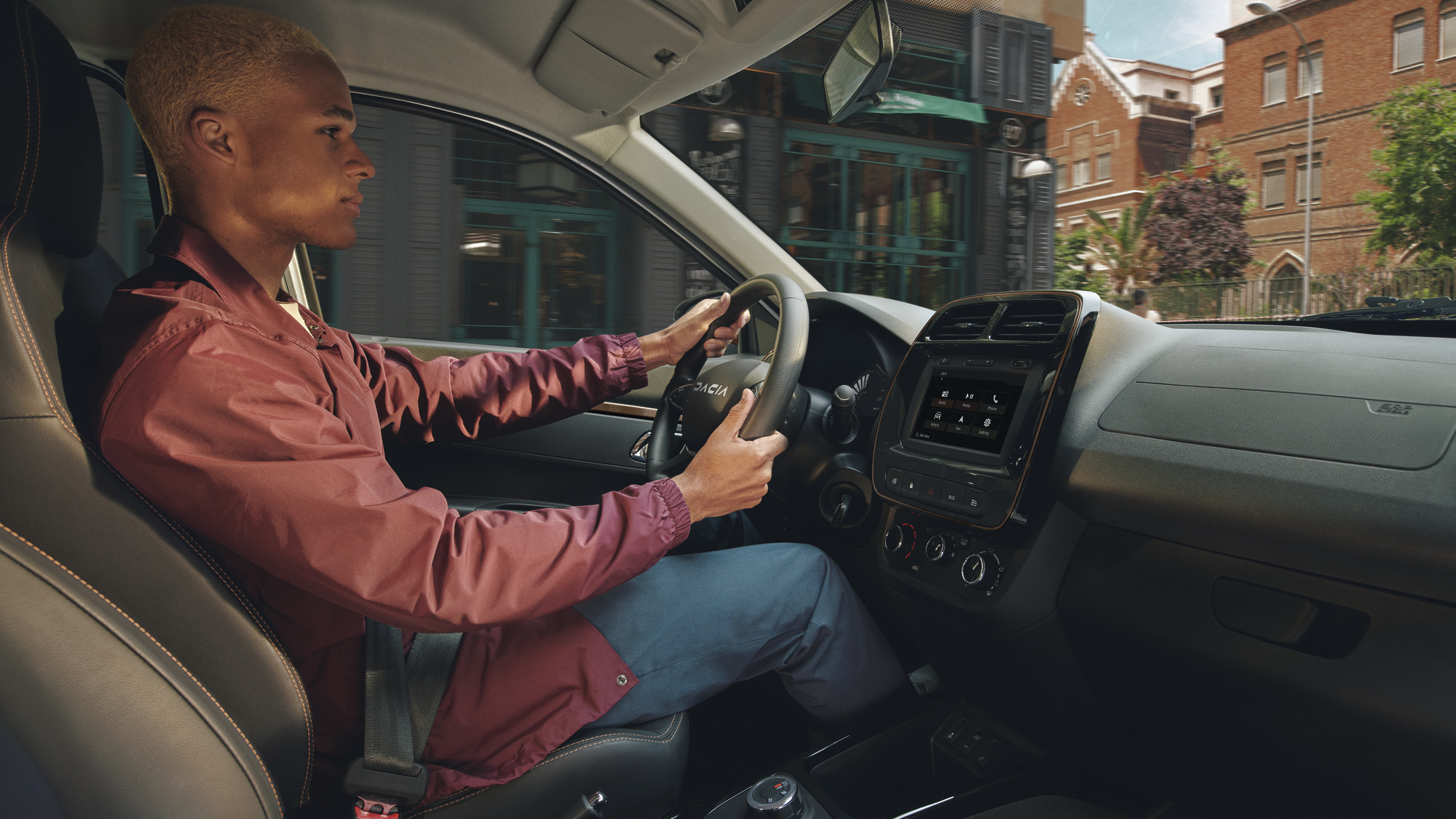
Nous privilégions la sobriété plutôt que le suréquipement. Nous gardons uniquement ce qui compte pour vous.
Cette approche nous permet d’utiliser moins de ressources et de fabriquer des voitures plus légères et moins énergivores.
Nous sélectionnons des matériaux durables. En outre, nous avons abandonné le cuir et avons pris l’engagement d’abandonner l’utilisation du chrome en décoration.
Explorer les essentiels de demain
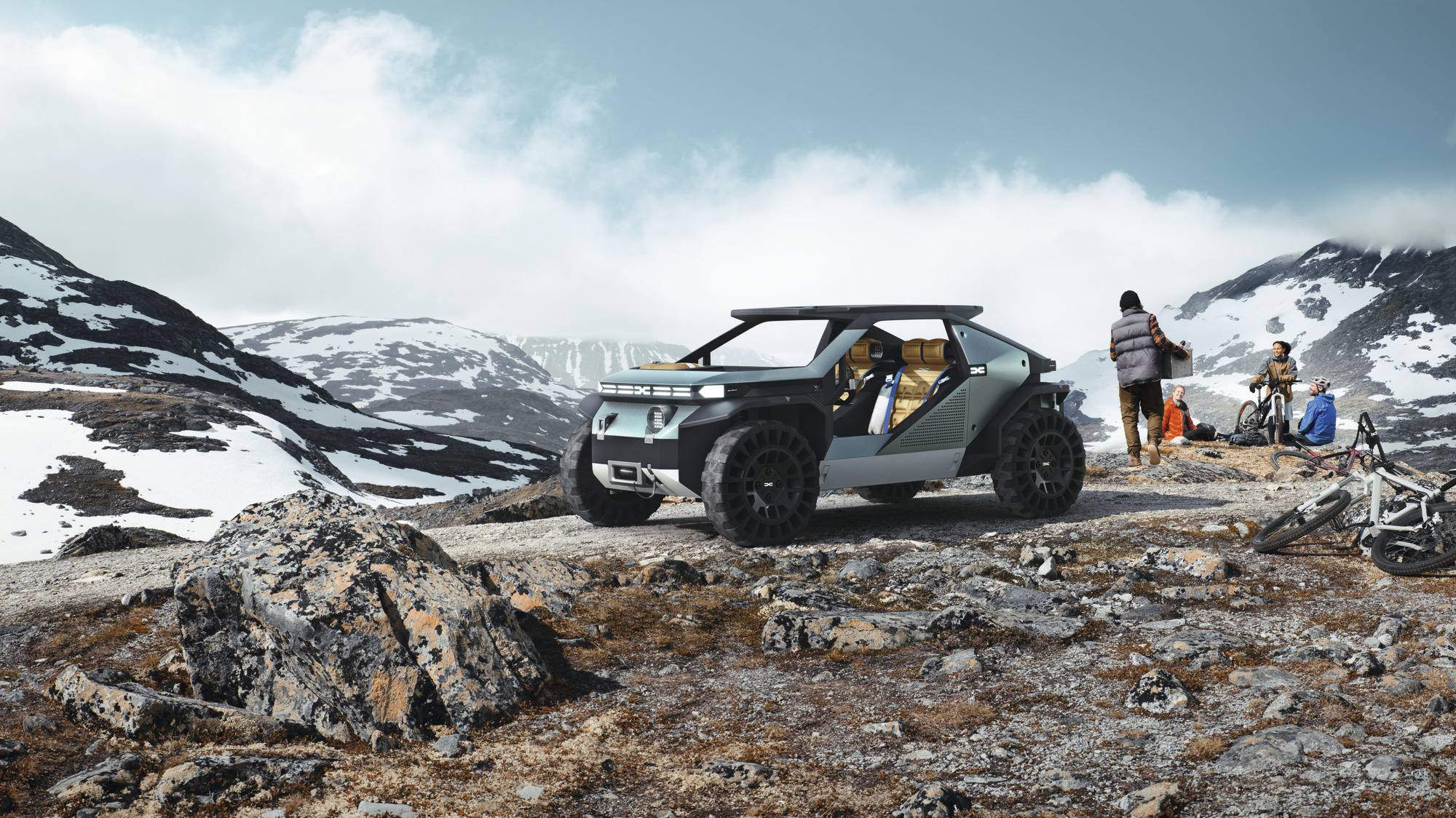
A l'occasion du Mondial de l'Auto 2022, Dacia a dévoilé son nouveau concept car : Manifesto Concept, un concentré des valeurs de la marque, qui pousse plus loin notre exploration de l’univers outdoor. C’est un véhicule frugal, compact et multi-usages. Compagnon léger, silencieux et agile, complètement ouvert sur l’extérieur, Manifesto Concept est conçu pour profiter de la nature en y laissant le moins de traces. Robuste et doté d’une transmission aux 4 roues, il serait aussi bien capable de ravitailler des refuges d’altitude que d’opérer sur une installation en plein air.
Dacia Manifesto Concept est également une manière concrète de présenter l’ensemble de nos innovations : celles figurant déjà dans certains de nos modèles et amenées à être étendues sur l’ensemble de la gamme, comme « Bring your own device » ; celles que nous allons lancer prochainement, comme Starkle® ou YouClip ; celles, enfin, qui explorent des idées nouvelles, à creuser dans les années à venir, comme le pneu sans air.
Avec ce concept-car, Dacia réaffirme sa vision d’une automobile essentielle, cool, robuste, abordable et respectueuse de l’environnement.
Notre savoir-faire 03
Vous proposer l’essentiel de l’automobile, au juste prix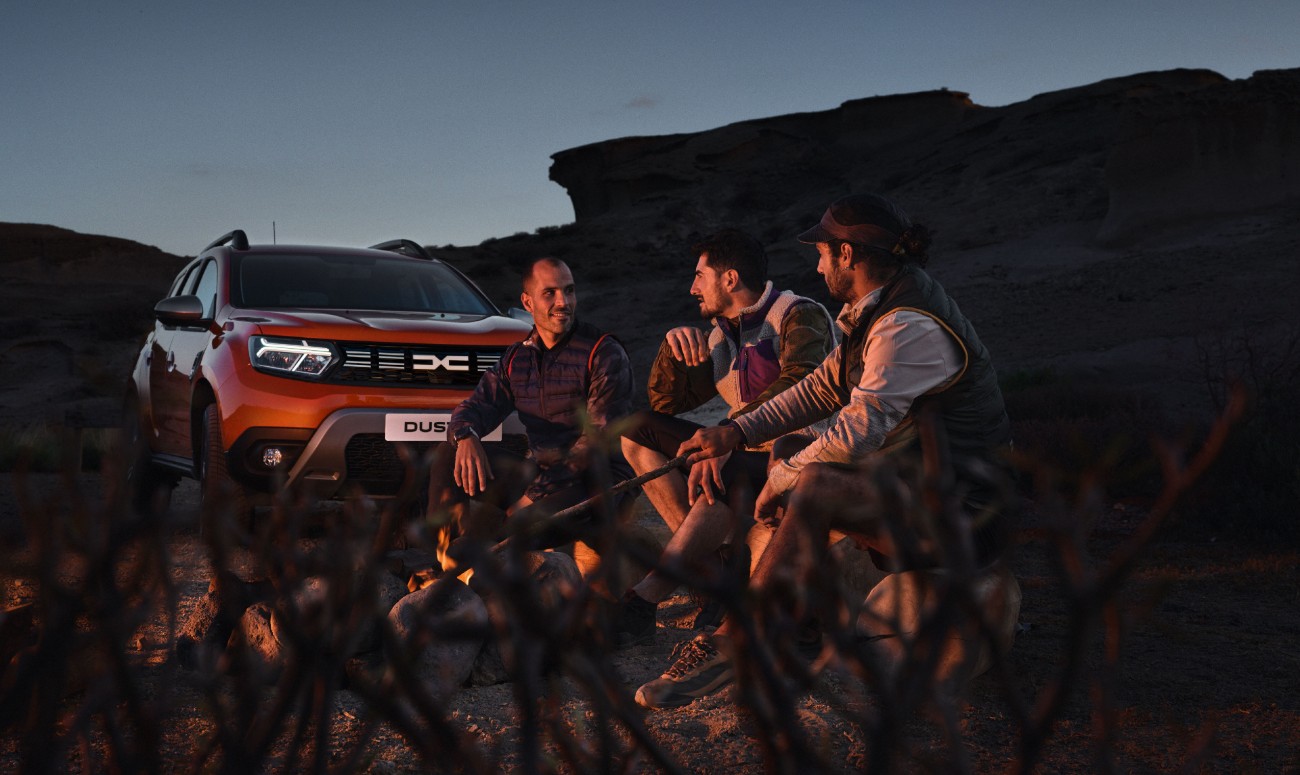
Essentiel et cool
Spacieuses, pratiques et modulables, nos voitures s’adaptent à toutes vos activités urbaines ou de plein air. Fonctionnels, nos modèles vous réservent de belles surprises.
Nous mettons à profit les solutions digitales pour rendre vos interactions avec nous et nos produits, faciles et fluides.
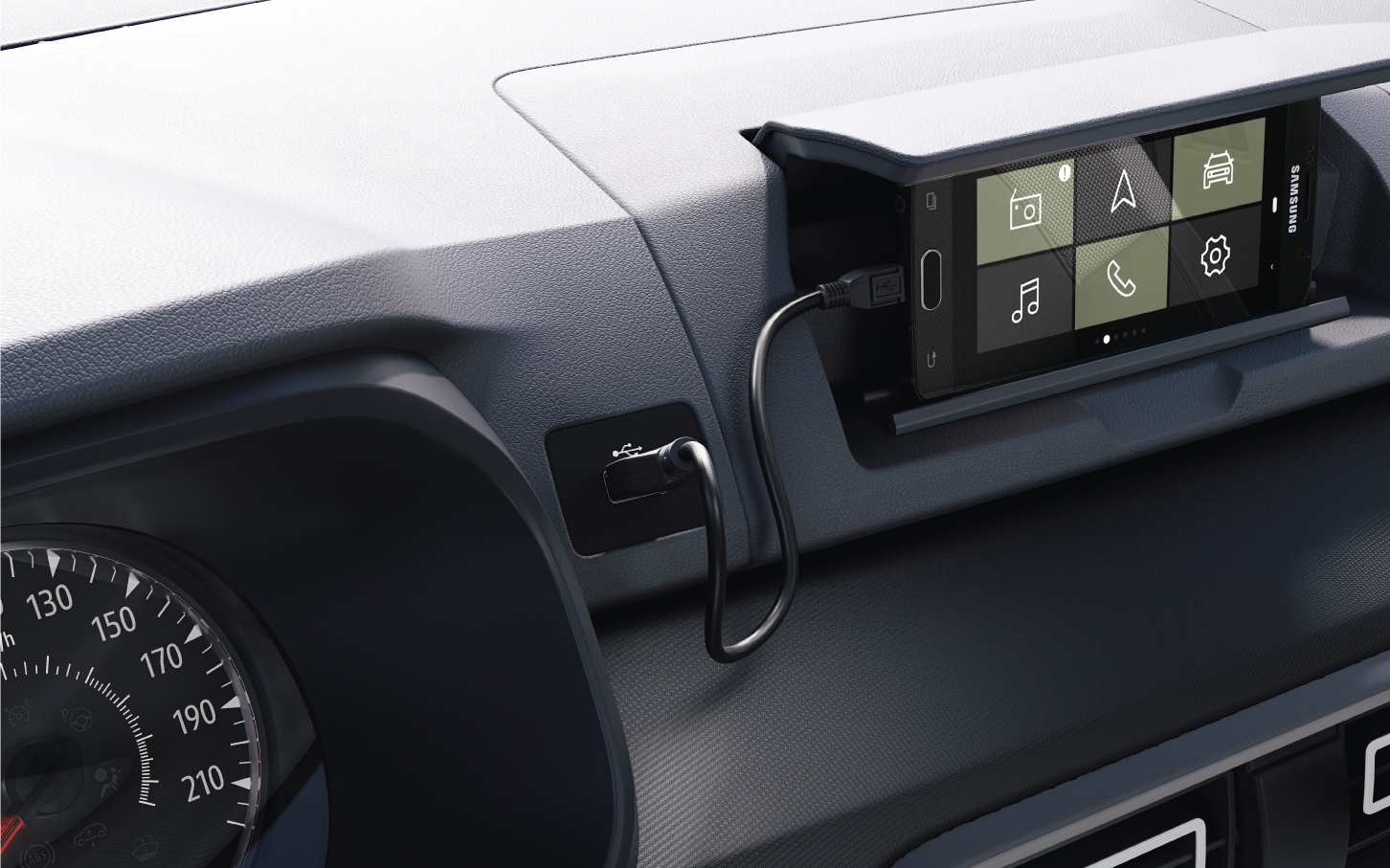
Nous imaginons sans cesse des accessoires multi-usages, malins et habilement intégrés, à l’instar du Media Control.
Eco-smart
Pour respecter votre portefeuille et la planète, nous optons pour des solutions économiques et plus écologiques. Nous voulons vous offrir le meilleur des deux mondes.
Nous faisons des choix éco-smart, notamment avec Dacia Spring qui bénéficie de toute l’expertise de Renault Group pour vous donner accès au véhicule électrique le plus abordable du marché.
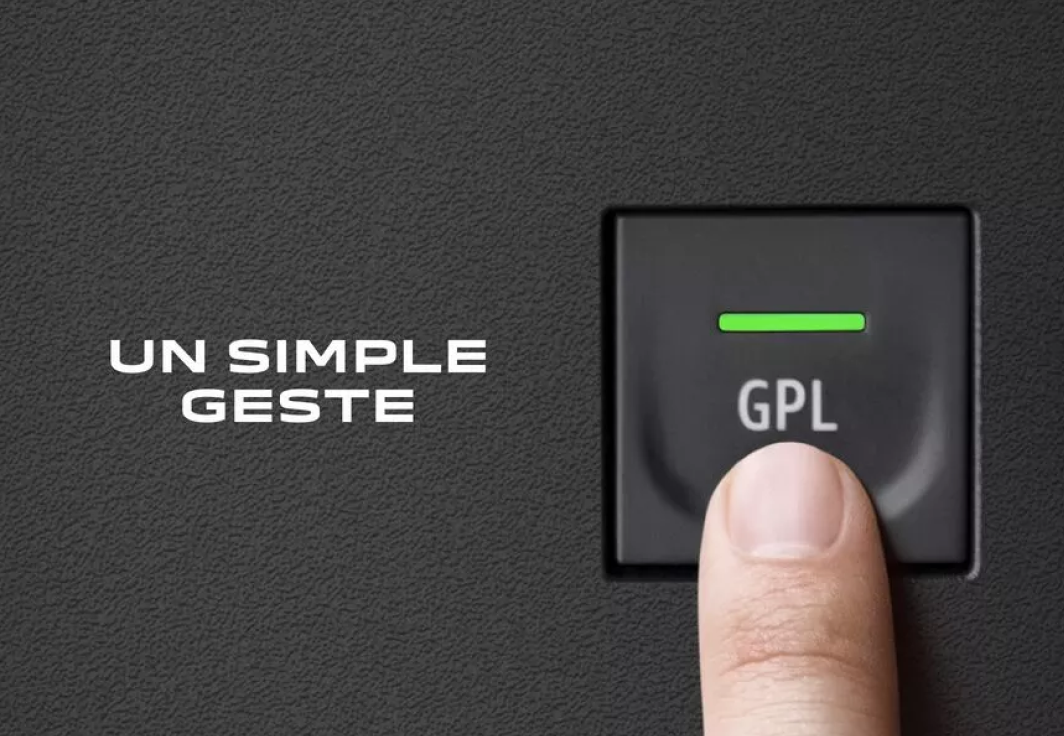
La bicarburation essence et GPL est une technologie éprouvée et sûre. Sur les véhicules équipés, vous pouvez passer de l’un à l’autre, en toute simplicité, à l’aide d’un bouton.
Robuste et outdoor
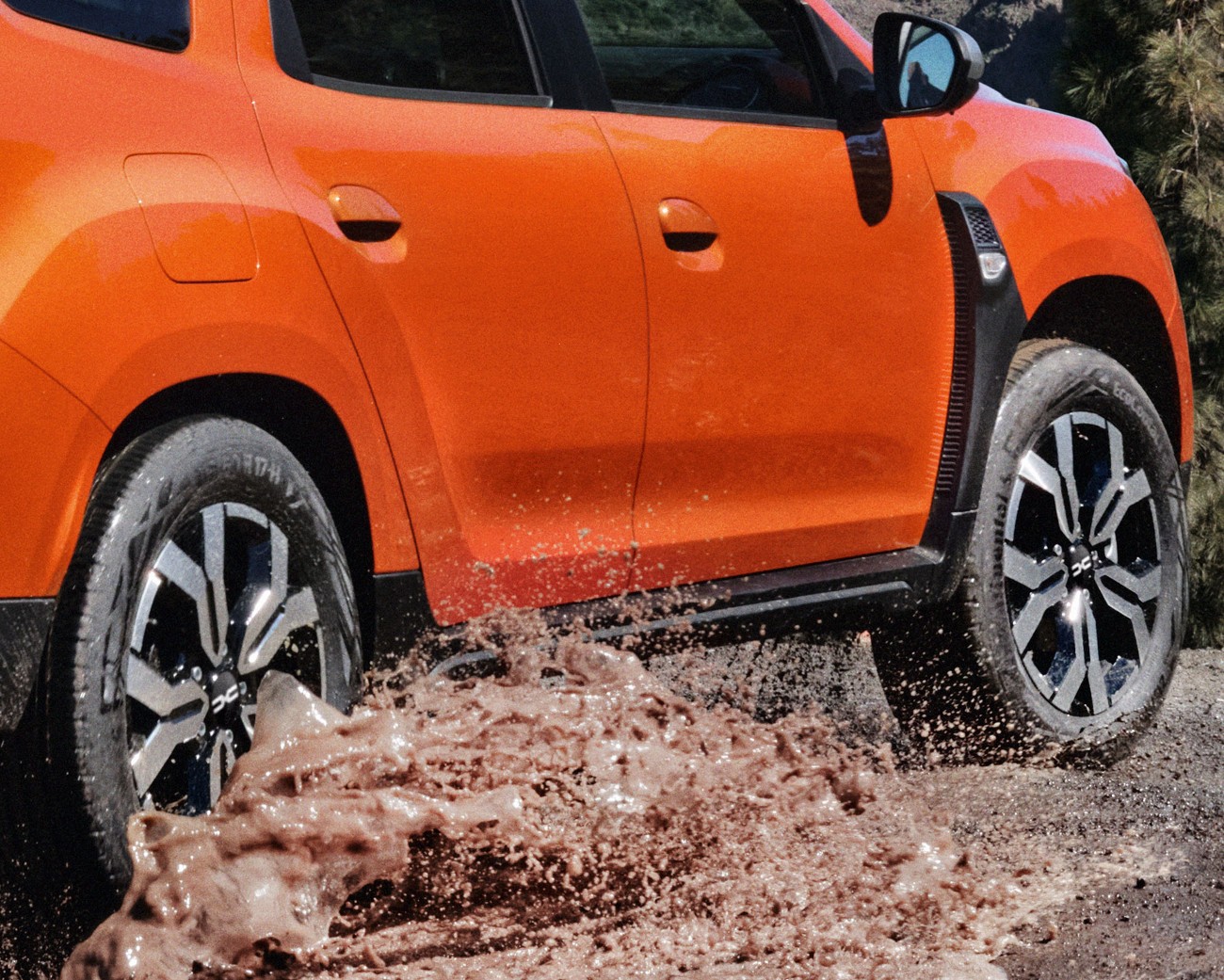
Nos modèles sont conçus pour résister au temps et pour vous accompagner dans vos aventures tout-terrain, quel que soit le chemin emprunté.
Cet esprit s’incarne particulièrement dans notre modèle phare, Dacia Duster, un SUV aux capacités de franchissement remarquables.
Grâce à leur garde au sol élevé, leurs suspensions robustes et l’utilisation de matériaux simples et résistants, de Dacia Spring au Dacia Jogger, nos véhicules ne vous laisseront pas tomber et conserveront une belle valeur à la revente.
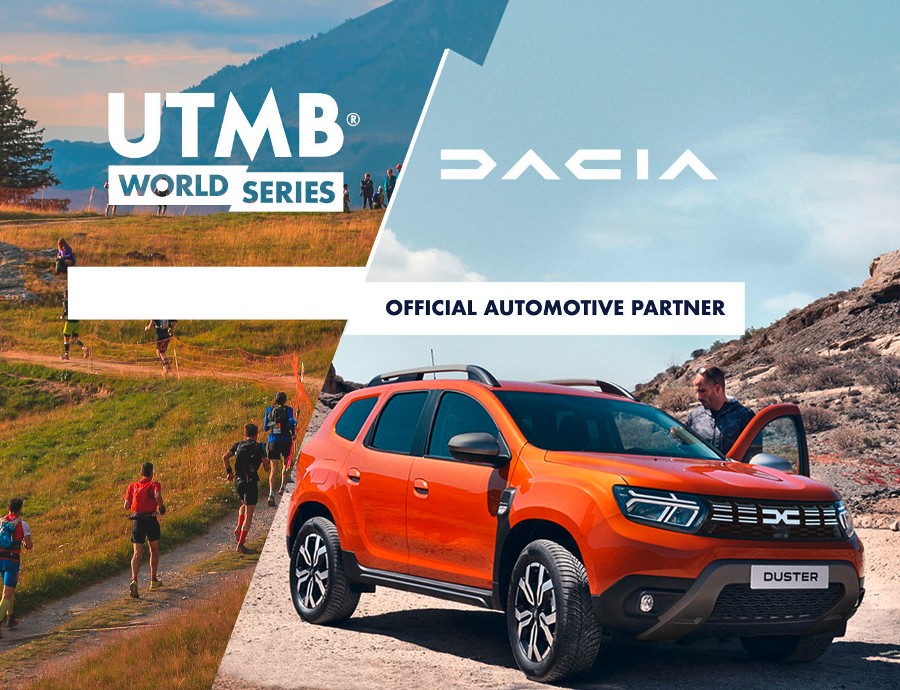
UTMB® World Series : un partenariat qui a du sens
Nous souhaitons nous investir auprès de partenaires qui nous ressemblent, comme UTMB® World Series, avec qui nous partageons les mêmes valeurs en matière d’écoresponsabilité, de solidarité et d’inclusivité.
Avec UTMB®, nous sortons des sentiers battus pour vous offrir le plaisir vous reconnecter avec la nature à travers le trail running.
Notre univers 04
Vous faire découvrir notre identité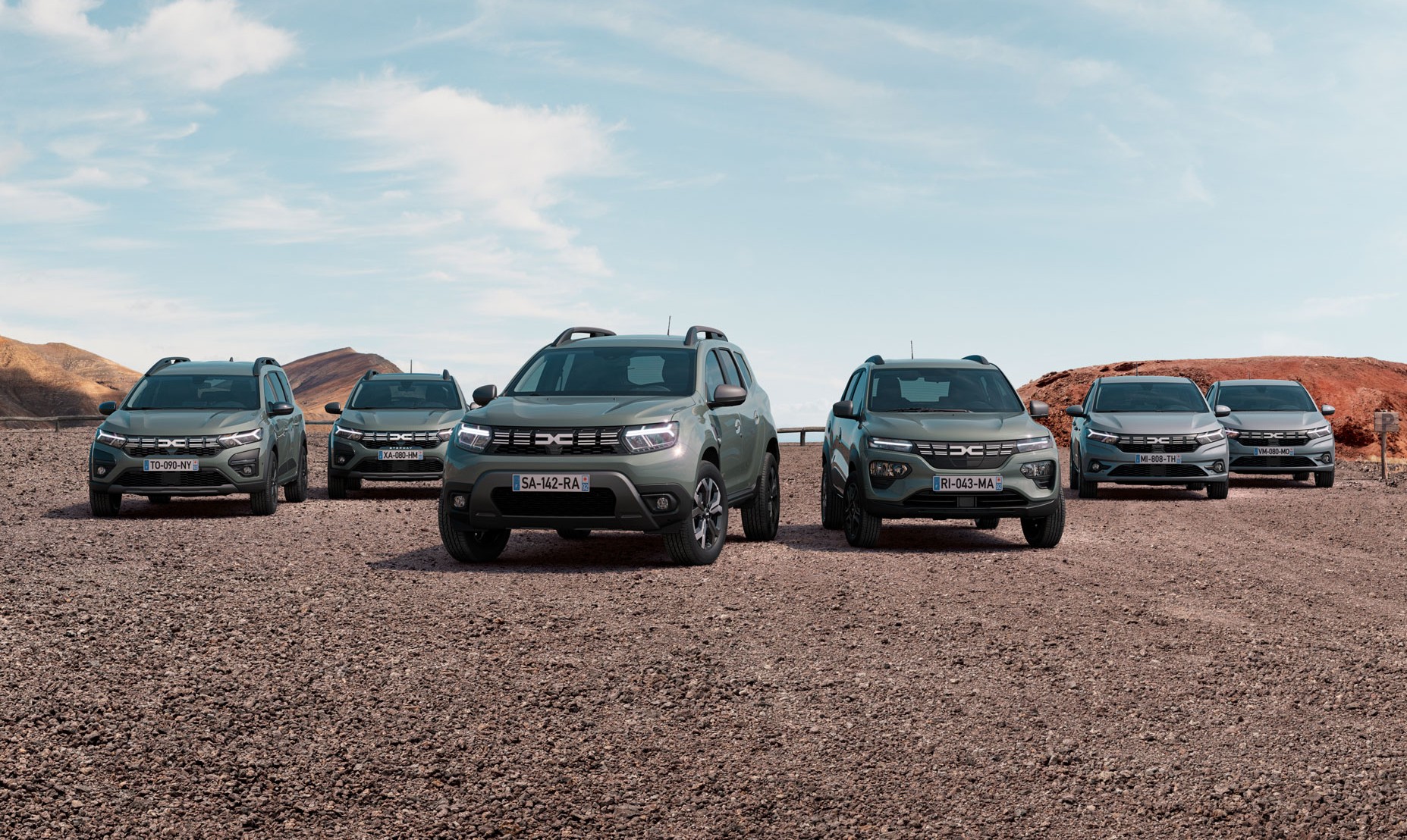
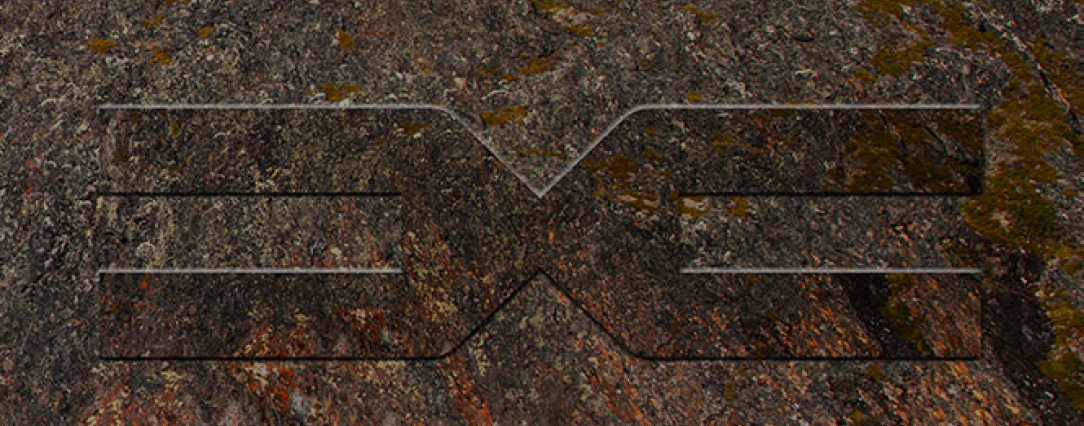
Nouvel emblème Dacia Link, nouveau logo, nouvelles couleurs, toujours Dacia
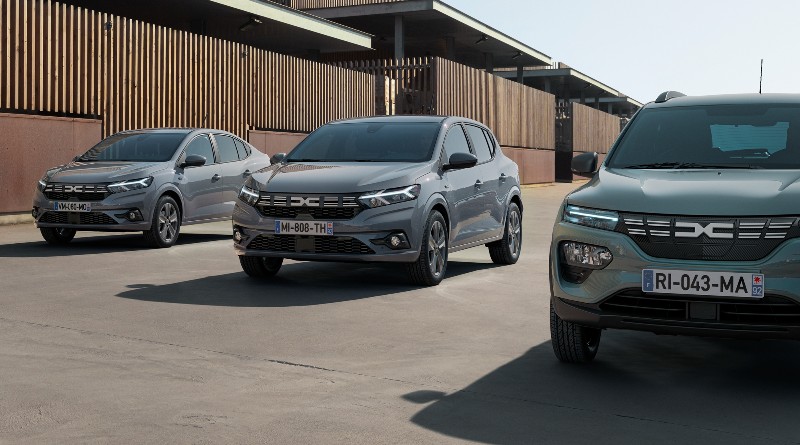
Nous évoluons avec notre temps pour mieux nous adapter à vos attentes. Nous avons modernisé l’ensemble de notre gamme et ouvrons maintenant un nouveau chapitre. Notre identité de marque devient plus contemporaine et plus affirmée.
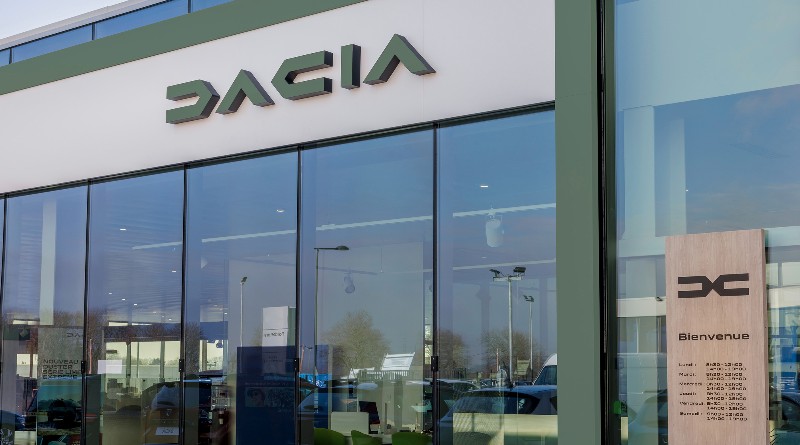
L’emblème revisité allie les lettres D et C pour symboliser le lien de confiance qui nous unit à nos clients. C’est pourquoi nous l’avons nommé Dacia Link.
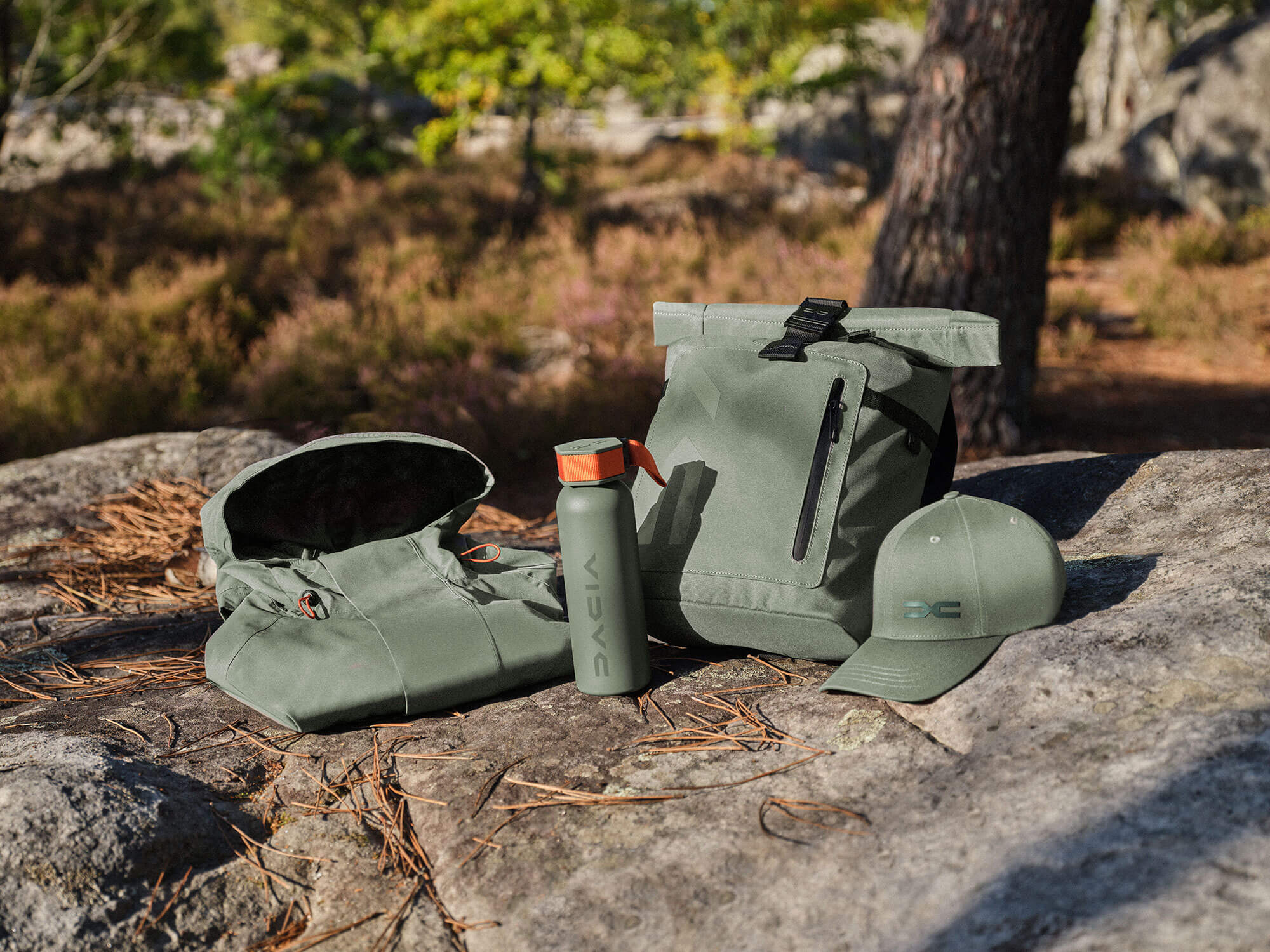
Notre palette de couleurs tire ses inspirations de la nature, terrain de jeu de nos voitures et endroit propice pour profiter des plaisirs simples de la vie.
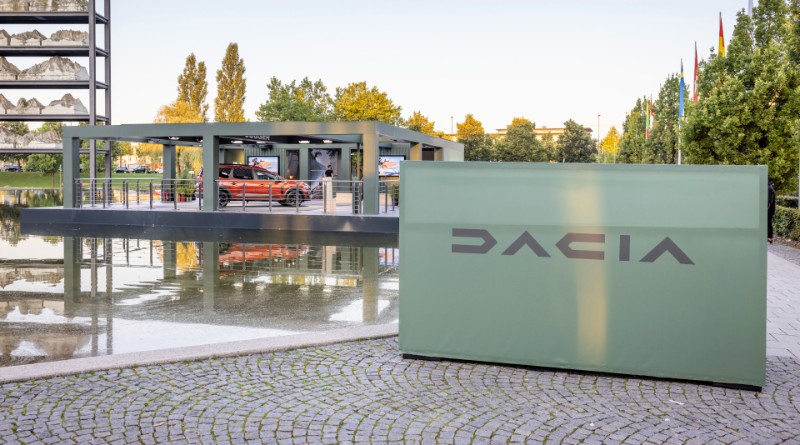
Cette nouvelle identité se décline sur tous nos canaux de communication, nos publicités, nos voitures et nos points de vente.
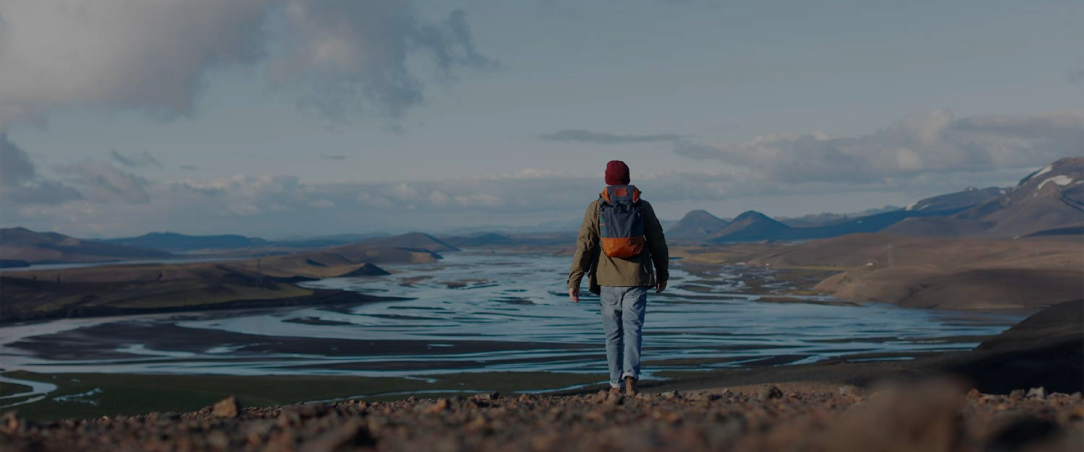
Une marque ouverte à tous
Nos racines 05
Vous partager notre histoire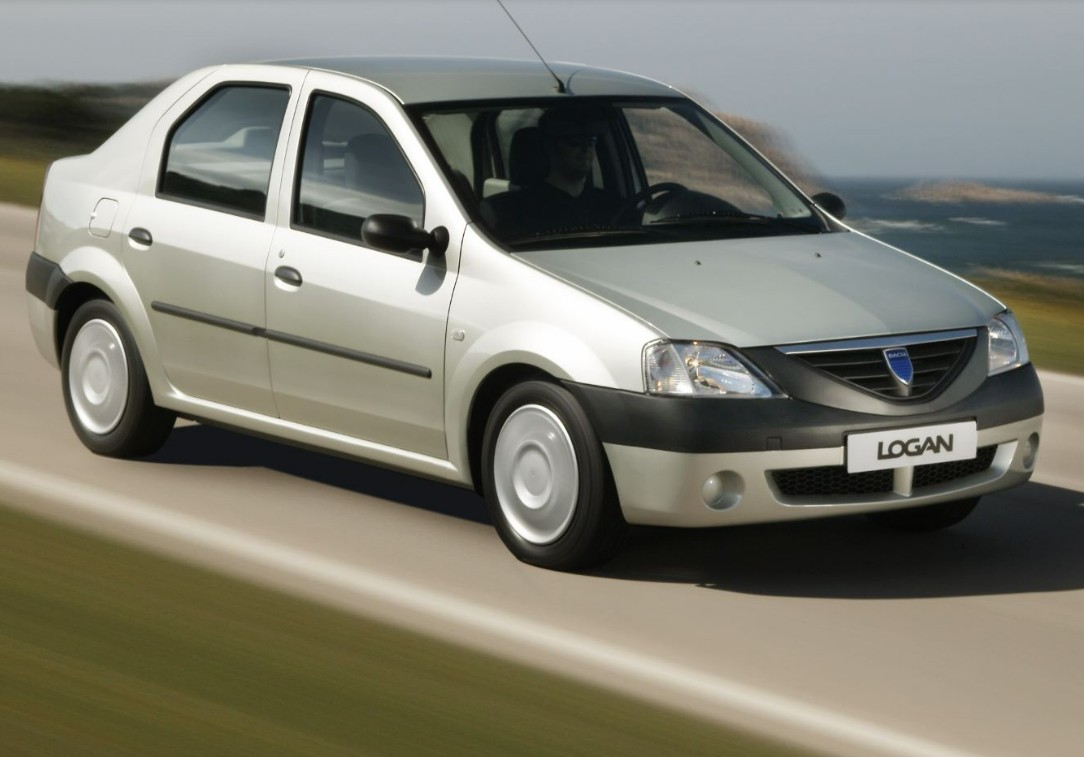
Un ADN fort
Nous sommes tournés vers l’avenir, car nous savons d’où nous venons. Depuis le début, nous remettons en question les règles du marché et tenons la même promesse, celle de vous proposer des voitures modernes, fiables et accessibles. Au passé, au présent et au futur, notre ligne directrice est l’essentialité.
De notre naissance en Roumanie à aujourd’hui, notre histoire se façonne au fil des lancements de nos nouveaux modèles.
- Algérie
- Allemagne
- Autriche
- Belgique
- Bosnie
- Bulgarie
- Croatie
- Danemark
- Espagne
- Estonie
- Finlande
- France
- Grèce
- Guadeloupe
- Guyane
- Hongrie
- Irlande
- Islande
- Israel
- Italie
- Lettonie
- Liban
- Lituanie
- Luxembourg
- Macédoine
- Maroc
- Martinique
- Mayotte
- Moldavie
- Monténégro
- Norvège
- Nigéria
- Pays-Bas
- Pologne
- Portugal
- République Tchèque
- Réunion
- Roumanie
- Royaume-Uni
- Serbie
- Slovaquie
- Slovénie
- Suède
- Suisse
- Tunisie
- Turquie